Understanding the psychology behind gambling habits in casinos
The Allure of Casinos
Casinos are designed to captivate their visitors, drawing them in with vibrant colors, enticing sounds, and the promise of excitement. The atmosphere creates a sense of anticipation and thrill, leading many to engage in gambling behaviors that can be both exhilarating and addictive. This environment is carefully curated, using elements such as lighting and layout to encourage prolonged play. Visitors often find themselves mesmerized by the sights and sounds, which can override logical thinking and spur impulsive decisions.
The psychological phenomenon known as the “near-miss effect” plays a significant role in sustaining gambling habits. Players frequently experience situations where they almost win, which can lead to increased motivation to keep playing. For instance, hitting two out of three matching symbols on a slot machine can trigger excitement, making players feel as if a win is just around the corner. This sensation can contribute to a cycle of continued gambling, reinforcing the behavior even when significant losses occur. ice fishing
Moreover, casinos often utilize rewards programs to create a sense of loyalty. Frequent gamblers receive perks such as complimentary meals, hotel stays, or exclusive event invitations, which can foster a psychological connection to the venue. This strategy not only increases the frequency of visits but also blurs the line between entertainment and spending, as players may continue to gamble to achieve these rewards, often leading to greater financial risk.
The Role of Cognitive Biases
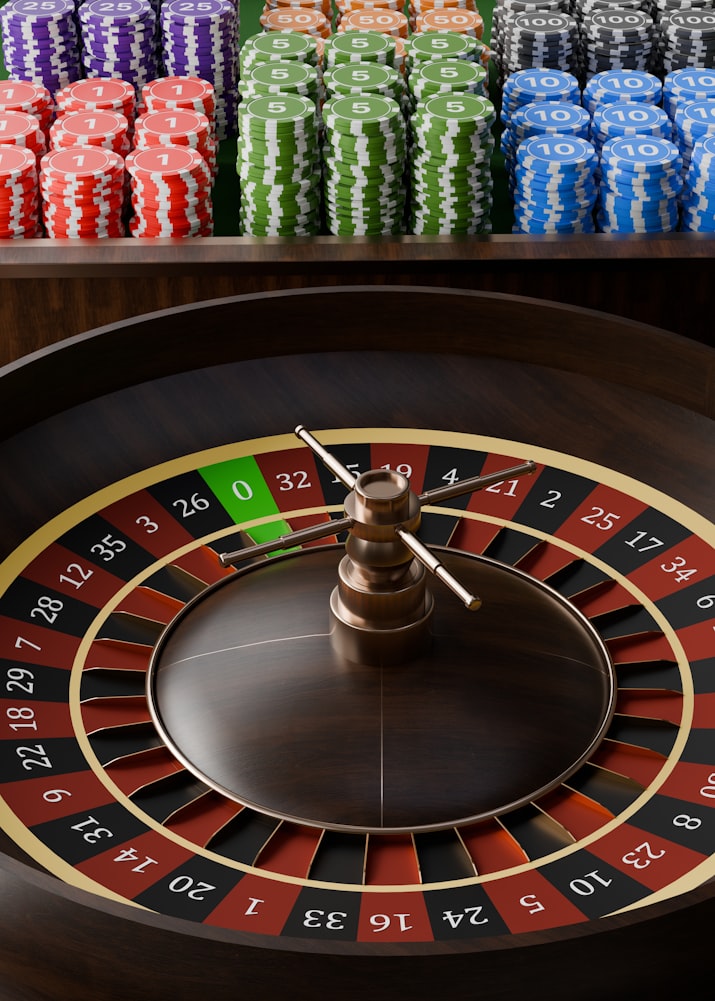
Cognitive biases significantly influence gambling behavior, causing individuals to make irrational decisions based on flawed reasoning. One prevalent bias is the “gambler’s fallacy,” where individuals believe that past outcomes influence future results. For example, someone may think that because a certain number hasn’t appeared on the roulette wheel for several spins, it is “due” to hit soon. This misconception can lead to increased betting and risk-taking, as players attempt to outsmart the odds.
Another cognitive bias that affects gamblers is the “illusion of control.” Many players believe they can influence the outcome of games of chance through skill or strategies. This belief is particularly common in games like poker, where players might overestimate their abilities in predicting outcomes. The more they believe in their control, the more they may gamble, often leading to unfavorable financial consequences.
Additionally, emotional states can alter decision-making processes. Gamblers might chase losses by increasing their bets in hopes of recouping previous losses, often exacerbating their situation. This behavior can lead to a downward spiral where emotional highs and lows dictate play rather than rational thought. Recognizing these cognitive biases is crucial for understanding the psychology behind gambling habits and fostering healthier behaviors.
The Impact of Technology on Gambling
Technological advancements have dramatically transformed the gambling landscape, with online casinos and mobile apps enabling access to gambling like never before. The convenience of placing bets from the comfort of home, or on-the-go, has removed traditional barriers, making it easier for individuals to engage in gambling behaviors. This immediacy can lead to increased frequency and intensity of gambling habits as players can access games 24/7 without the physical constraints of visiting a casino.
Moreover, the integration of sophisticated algorithms and data analytics into online gambling platforms has allowed operators to tailor experiences to individual users. Personalized promotions and rewards can enhance user engagement, leading to longer playing times and increased stakes. This data-driven approach utilizes psychological principles to maximize revenue, often at the expense of responsible gambling practices.
The rise of social gaming and gamification has also changed how gambling is perceived. Many online platforms incorporate game-like elements such as achievements, leaderboards, and social sharing features, which can enhance the addictive nature of gambling. Players often feel a sense of community or competition, reinforcing their habits and leading to prolonged engagement. This psychological manipulation highlights the need for awareness regarding the mental effects of such technological innovations on gambling behaviors.
Social Influences on Gambling Habits
The social environment plays a pivotal role in shaping gambling behaviors. For many, visiting a casino is a social activity, providing an opportunity to bond with friends or family. This communal aspect can enhance the enjoyment of gambling but may also reinforce negative habits if the social circle encourages excessive gambling. Peer pressure and social norms can lead individuals to adopt riskier behaviors, as they seek to fit in or impress others.
Moreover, the portrayal of gambling in popular culture significantly impacts public perception and behaviors. Movies, television shows, and advertisements often glamorize gambling, presenting it as a thrilling and rewarding experience. Such representations can contribute to unrealistic expectations and a romanticized view of gambling, enticing individuals to participate without fully understanding the risks involved. The desire to emulate perceived lifestyles can lead to impulsive decisions and an increased likelihood of developing gambling issues.
Support networks also play a critical role in both positive and negative gambling habits. While some groups foster healthy gambling practices, others may inadvertently encourage destructive behaviors. Understanding the influence of social dynamics is essential for recognizing the complexities of gambling psychology and its impact on individual habits.
Conclusion and Resources for Responsible Gambling
Understanding the psychology behind gambling habits in casinos provides invaluable insights into the motivations and influences that drive individuals to gamble. By recognizing the allure of casinos, cognitive biases, technological impacts, and social influences, individuals can make more informed decisions about their gambling activities. Awareness of these factors is crucial for developing responsible gambling habits, ultimately leading to healthier outcomes.
If you or someone you know struggles with gambling-related issues, resources are available to help. Many organizations offer support and information for those looking to understand their habits and find healthier ways to engage with gambling. Promoting awareness and understanding the psychological aspects of gambling can empower individuals to take control of their habits and make informed choices.
Deixe um comentário